

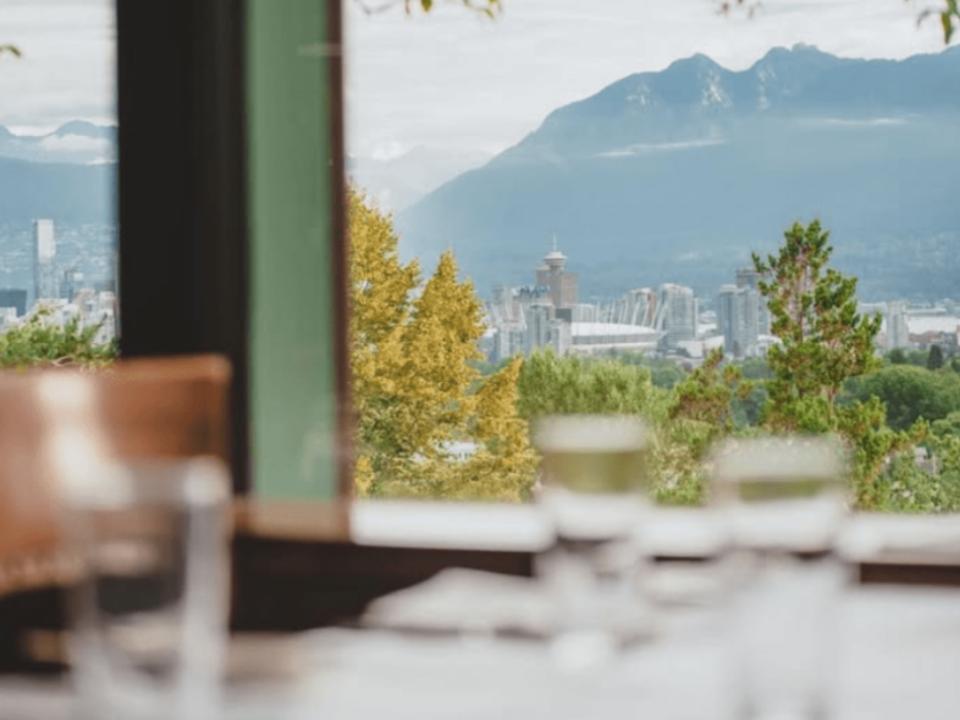
Best Low-Stimulation Restaurants in Vancouver for ADHD
Finding the right restaurant can make a huge difference if you have ADHD, especially in a city like Vancouver where dining culture often leans toward high energy, packed spaces, and sensory-heavy environments. Many popular restaurants are designed to feel vibrant and social, but that same energy can quickly become overwhelming. Loud conversations, music, tight seating, and constant movement can create a situation where your brain is processing too much at once. Instead of enjoying your meal, you may feel distracted, drained, or even irritated without fully understanding why. This is not a personal flaw. It is a predictable response to an overstimulating environment. The good news is that Vancouver also offers a range of calmer, more grounded restaurants that support focus and ease. In this guide, we break down the best low-stimulation restaurants in Vancouver for ADHD, while also showing you how to identify the right environment so you can make better choices anywhere in the city.
What Makes a Restaurant Low-Stimulation for ADHD?
A low-stimulation restaurant is not defined by price, trendiness, or even cuisine. It is defined by how your nervous system responds once you sit down. For people with ADHD, environments that are too loud, visually chaotic, or fast-paced can quickly create cognitive overload. Noise is often the most immediate factor. When multiple conversations, background music, and kitchen sounds all blend together, your brain tries to track everything at once. This creates mental fatigue and reduces your ability to stay present. Lighting is another critical element. Harsh, bright lighting can feel draining and increase agitation, while soft, warm lighting tends to calm the nervous system and improve focus. Layout also plays a major role. Restaurants with tight seating and constant foot traffic create visual noise that pulls your attention in multiple directions. In contrast, open spaces with clear structure allow your brain to settle. Menu design also matters more than people think. Long, cluttered menus increase decision fatigue, while shorter, focused menus make ordering easier and faster. When all these elements come together—controlled noise, soft lighting, thoughtful layout, and simple menus—you get a dining experience that feels manageable and even restorative.
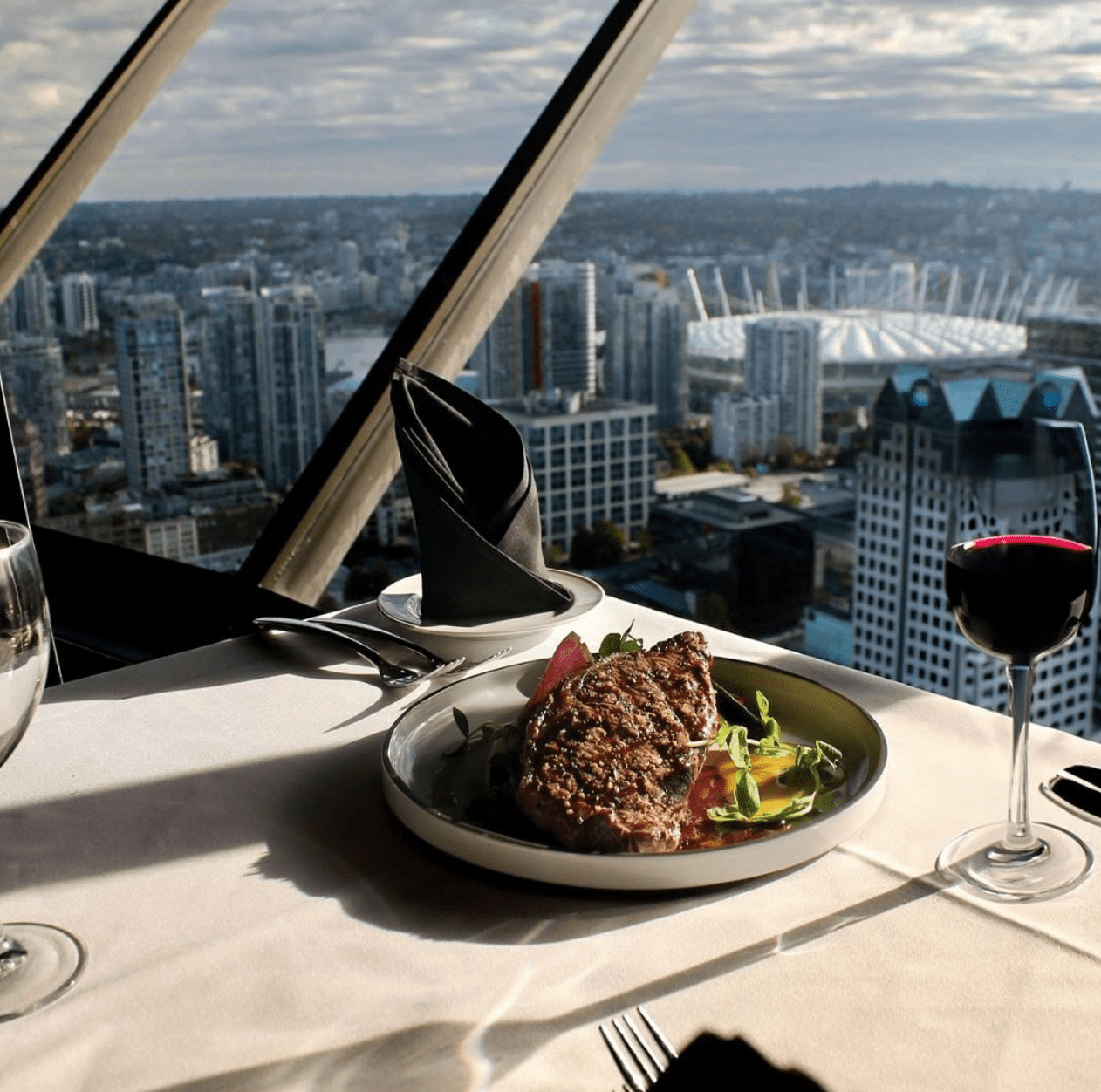 Best Low-Stimulation Restaurants in Vancouver
Nightingale
Nightingale is located in downtown Vancouver, yet it manages to avoid many of the sensory overload issues that affect other central restaurants. The space is large, but it is also well-designed, with enough distance between tables to prevent sound from building up excessively. This makes a noticeable difference if you are sensitive to noise. Instead of feeling like every conversation is happening in your immediate space, the room allows for a more contained and manageable sound level. The lighting is warm and evenly distributed, avoiding the harsh glare that often makes it harder to relax. Visually, the restaurant uses natural materials and balanced tones, which reduces overstimulation and creates a grounded atmosphere. The menu is also well-structured, offering variety without overwhelming you with endless options. Service moves at a steady pace, which means you are not rushed through your meal or pressured into quick decisions. Overall, Nightingale provides a strong balance between a social dining experience and a calm, controlled environment that works well for ADHD.
The Acorn
The Acorn stands out as one of the most consistently low-stimulation dining environments in Vancouver. While it is known for its plant-based menu, the real strength lies in how intentionally the space is designed. The restaurant is smaller, which naturally limits noise levels, but it never feels cramped or chaotic. Seating is arranged with care, allowing each table to have its own space without constant intrusion from nearby diners. The lighting is soft and warm, creating an immediate sense of calm when you walk in. There are no harsh contrasts or overly bright spots, which helps reduce visual strain. The pacing of the service is also slower and more deliberate, which supports a more relaxed experience overall. You are given time to think, order, and enjoy your meal without feeling pushed. The menu is creative but not overwhelming, offering enough variety to feel interesting while still being easy to navigate. For anyone with ADHD who is sensitive to noise and pressure, The Acorn provides one of the most reliable calm dining experiences in the city.
Fable Kitchen
Fable Kitchen in Kitsilano offers a balanced environment that works well for people who want a relaxed dining experience without feeling isolated. The space is cozy, but it avoids the cramped feeling that often leads to overstimulation. Tables are spaced in a way that limits constant interruptions from nearby movement, which helps maintain focus during conversation. During the day, natural light fills the space, creating a softer and more comfortable atmosphere. In the evening, the lighting shifts to a warmer tone, which supports relaxation without becoming too dim or visually confusing. The overall energy of the restaurant is steady rather than intense. You are not dealing with rapid turnover or a rushed atmosphere, which allows your nervous system to stay regulated. The menu is straightforward and focused on quality ingredients, which makes it easier to make decisions without overthinking. Service is attentive but not intrusive, which helps maintain a calm flow from start to finish. Fable Kitchen is a reliable option if you want consistency and a manageable sensory experience.
 Chambar
Chambar can be a more dynamic environment, but it still works as a low-stimulation option if you approach it strategically. The key factor here is timing. During peak hours, the restaurant becomes louder and more active, which can push it out of the comfortable range for someone with ADHD. However, if you visit during off-peak times such as early evenings or midweek afternoons, the space transforms into a much calmer environment. The design of the restaurant helps support this shift. Warm tones, structured seating, and defined areas create a sense of order even when there are multiple diners present. Lighting is controlled and avoids harsh brightness, which helps reduce visual fatigue. The layout also allows for quieter sections, especially if you request a table away from high-traffic zones. The menu is clear and well-organized, making it easy to navigate without feeling overwhelmed. With the right timing and seating choice, Chambar can provide a high-quality dining experience that still respects your need for a calmer environment.
Ask for Luigi
Ask for Luigi offers a more intimate dining experience that can work very well for ADHD, provided you choose your timing carefully. The restaurant is small, which naturally limits the scale of noise, but it can feel busy if every table is filled. Visiting during earlier hours helps maintain the calm atmosphere that makes this place stand out. The lighting is soft and consistent, creating a warm and inviting environment without visual overload. The design is simple and focused, which reduces unnecessary distractions and keeps your attention on the meal and conversation. One of the biggest advantages is the menu. It is short, clear, and highly curated, which removes the stress of sorting through too many options. This allows you to make a decision quickly and stay engaged in the experience. Service is efficient but not rushed, which creates a steady rhythm throughout the meal. When approached at the right time, Ask for Luigi provides a grounded, manageable dining environment.
Savio Volpe
Savio Volpe delivers a warm and grounded atmosphere that sits between lively and calm, making it a solid option for those who can tolerate moderate energy levels. The interior design plays a big role in this balance. Wood tones, warm lighting, and a structured layout help create a sense of stability within the space. While it is not completely quiet, the noise level remains manageable, especially outside of peak dining hours. Tables are arranged in a way that reduces constant interruptions, allowing you to focus on your own experience rather than tracking movement around you. The menu is organized and easy to understand, which reduces decision fatigue and helps you stay present. Service is consistent and predictable, which is another important factor for ADHD. You know what to expect, and that reduces mental load. Overall, Savio Volpe offers a reliable environment that feels grounded without being overly subdued.
 Best Cafés for Low-Stimulation Dining
Small Victory Bakery
Small Victory Bakery is one of the best options in Vancouver if you are looking for a consistently calm café environment. The design is minimal and intentional, which immediately reduces visual clutter. Instead of overwhelming you with busy décor or tight seating, the space feels open and clean. Lighting is soft and often supported by natural light, which helps regulate your energy and focus. Noise levels are generally low, particularly during non-peak hours, making it easier to sit and think without constant interruption. The menu is simple and easy to navigate, which reduces decision fatigue and allows you to settle into your environment quickly. This makes it an ideal spot for solo dining, light work, or quiet conversation. The overall experience feels controlled and predictable, which is exactly what supports an ADHD-friendly environment.
Kafka’s Coffee
Kafka’s Coffee provides a relaxed and steady atmosphere that works well for people who want a balance between quiet and social energy. The space is designed with enough room between seating areas to prevent a crowded feeling, which helps reduce sensory overload. Lighting is neutral and consistent, avoiding extremes that can feel uncomfortable over time. While there is some background activity, it does not reach the level of chaos found in busier cafés. This makes it easier to stay focused while still feeling part of a social environment. The layout supports personal space, and the overall tone remains calm throughout most of the day. It is a good option if you want a low-stimulation environment that still has a bit of life to it without becoming overwhelming.
Conclusion: Best Low-Stimulation Restaurants in Vancouver for ADHD
The best low-stimulation restaurants in Vancouver for ADHD are defined by how they support your nervous system, not by how popular or trendy they are. Restaurants like Nightingale, The Acorn, and Fable Kitchen stand out because they offer controlled noise levels, soft lighting, and thoughtful layouts that reduce sensory overload. Cafés like Small Victory Bakery and Kafka’s Coffee provide reliable daytime options where you can focus and relax. Timing and seating choices also play a major role, often making the difference between a calm experience and an overwhelming one. The main takeaway is clear: when you choose environments that reduce noise, simplify decisions, and create stability, you allow yourself to be more present and engaged. That leads to better conversations, more enjoyable meals, and a more consistent overall experience.